the new brand problem nobody sees in the opening month
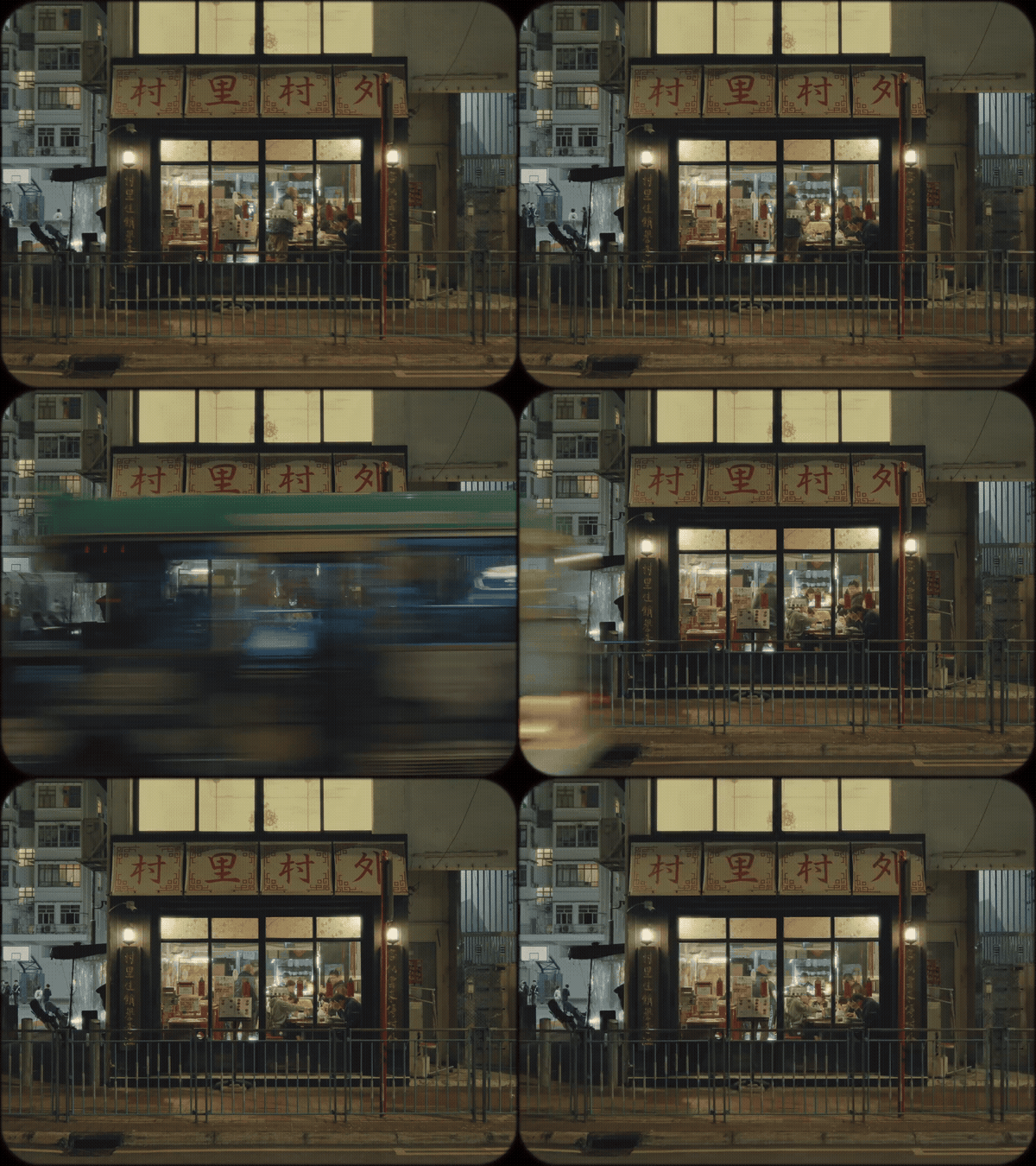
on a Thursday night, Amir stood behind the counter of his café in Petaling Jaya.
seven months ago, the queue had curled outside. tonight, the last customers were leaving.
he opened Instagram and saw another new café. beautiful room. soft launch. comments full of friends making plans.
Amir looked up at his own mural, the one people used to photograph during opening week.
the café still looked good.
but the queue was gone.
did the launch build something people would come back for, or did it only make the brand look alive for a while?
to answer that, we need to understand what a brand is really competing with.
what a new brand is really competing with
Malaysia's food and beverage services sector now does about 49% more business than in 2015 (RM99.0 billion against RM66.4 billion), and convenience stores now sell café coffee and chef-made meals. the competition for your customer's next meal is wider than the café two streets away.
not every one of these places is directly competing with your brand.
but customers have options.
the alternative might be newer, closer, cheaper or simply easier that day.
when Amir thought about his own customers, that was the uncomfortable part.
if someone remembered his brand only as "that nice café we tried once", there was very little holding the relationship together after the first visit.

why opening week crowds don't last
Parsa et al., Cornell Hotel and Restaurant Administration Quarterly, Aug 2005: in a US study, 26% of independent restaurants failed in their first year, and about 61% within three years.
when a café is new, people already have a reason to visit: curiosity.
they want to see the room. try the signature drink. take the photo. find out whether the place they saw online is worth the trip.
for a while, the fact that you are new does a lot of the work.
that happened to Amir.
people came in already knowing which table they wanted. some had seen a Reel. some had seen a food page. others came because a friend had sent them the café and said they had to try it.
his concept was easy to notice.
familiar Malaysian comfort, presented in a more current way. local flavours people recognised. a space that felt modern without forgetting where those ideas came from.
the problem appeared later.
once customers had visited, "new" stopped being a reason to return.
a new café opened nearer to someone's office. parking was easier somewhere else. another menu caught their attention. Sunday visits became monthly visits.
nothing had obviously failed.
the coffee could still be good. the room could still photograph beautifully. the staff could still know what they were doing.
this is when you find out whether customers are loyal: when novelty stops doing the work.
that is often where a brand needs to ask a different question. not only how to attract attention, but what gives customers a reason to remember it.
why a unique concept isn't enough
a concept can make someone notice you.
it does not automatically give them something to connect with.
Amir's customers remembered the mural, the signature drink and the queue.
but if someone asked what the café was really about, the answers were thin:
- "the coffee is good."
- "it looks nice."
- "you should try it."
they describe what someone saw, but not much about what the brand meant to them.
when people don't understand who you are, they only remember how you look.
looking distinctive and meaning something are not the same thing, and your brand story connects them.
Harvard Business Review, Nov 2015: customers with an emotional connection to a brand are worth 52% more than customers who are merely highly satisfied.

how to find your brand story
you do not need to start with a slogan.
imagine two diners leaving Amir's café.
one asks, "what do you think?"
your brand story is the kind of answer you want the other person to give.
not a positioning statement.
not a traditional brand strategy statement.
a normal, conversational sentence.
a positioning statement still matters, and it is something northmark works on with clients. but that is not the exercise here.
start with what you want your customers to naturally say about your brand after they experience it.
Amir originally had answers such as "modern Malaysian café" and "local flavours with a premium twist".
they sounded presentable.
they did not sound like something somebody would naturally tell a friend.
that was the clue.
1. write the sentence you want customers to say
think about your own brand.
- what would you want someone to say after leaving?
keep it simple enough that a real person could actually say it.
the aim is not to sound polished. it is to find the meaning customers should be able to recognise without needing your marketing deck.
2. go back to why you started
look for small, true details.
- why this food?
- why these flavours?
- why this neighbourhood?
- why does the room feel this way?
- why did you decide that this experience needed to exist?
for Amir, the useful part of the story was not simply that he served local-inspired food.
it was the memory behind it: growing up around old coffee shops, following his father on weekend errands and ending up somewhere familiar, noisy and welcoming.
he wanted some of that feeling in a place that felt current.
that gave the café a clearer brand story than a description of its menu ever could.
3. check whether the story is true inside your brand
once you know the brand story, walk through the customer experience this week and answer these with a simple yes or no:
- does the welcome feel like the story you want customers to remember?
- do the menu descriptions sound like the same brand?
- can staff explain a dish in their own words and still stay true to the story?
- do your photos show the feeling you want customers to associate with the brand?
- do your captions sound like the same brand customers meet in person?
if the answer keeps changing from one touchpoint to another, the story probably is not clear enough yet.
for Amir, the shift was small but practical. the greeting mattered more. menu descriptions became more human. staff had more context when explaining flavours. photos focused less on empty interiors and more on people actually using the café.
the café did not need to become a completely different place.
it needed the existing place to make more sense.
the brand story comes first because it gives you the foundation for the stories you tell later and the wider brand architecture around them. social media then becomes your digital shopfront, one of the first places people see, understand and judge the brand. Malaysian Communications and Multimedia Commission (MCMC), Internet Users Survey 2024: Malaysians are shifting to short, visual content, and finding, promoting and buying in the same social space is becoming the norm. that is where northmark comes in: a social-first growth partner that builds brand-led content systems for brands to scale, with fractional CMO support when the challenge goes deeper than content alone.
how to use short video to tell your brand story
Meta, Q1 2024 earnings call, 24 Apr 2024: Mark Zuckerberg said Reels make up half of the time people spend on Instagram.
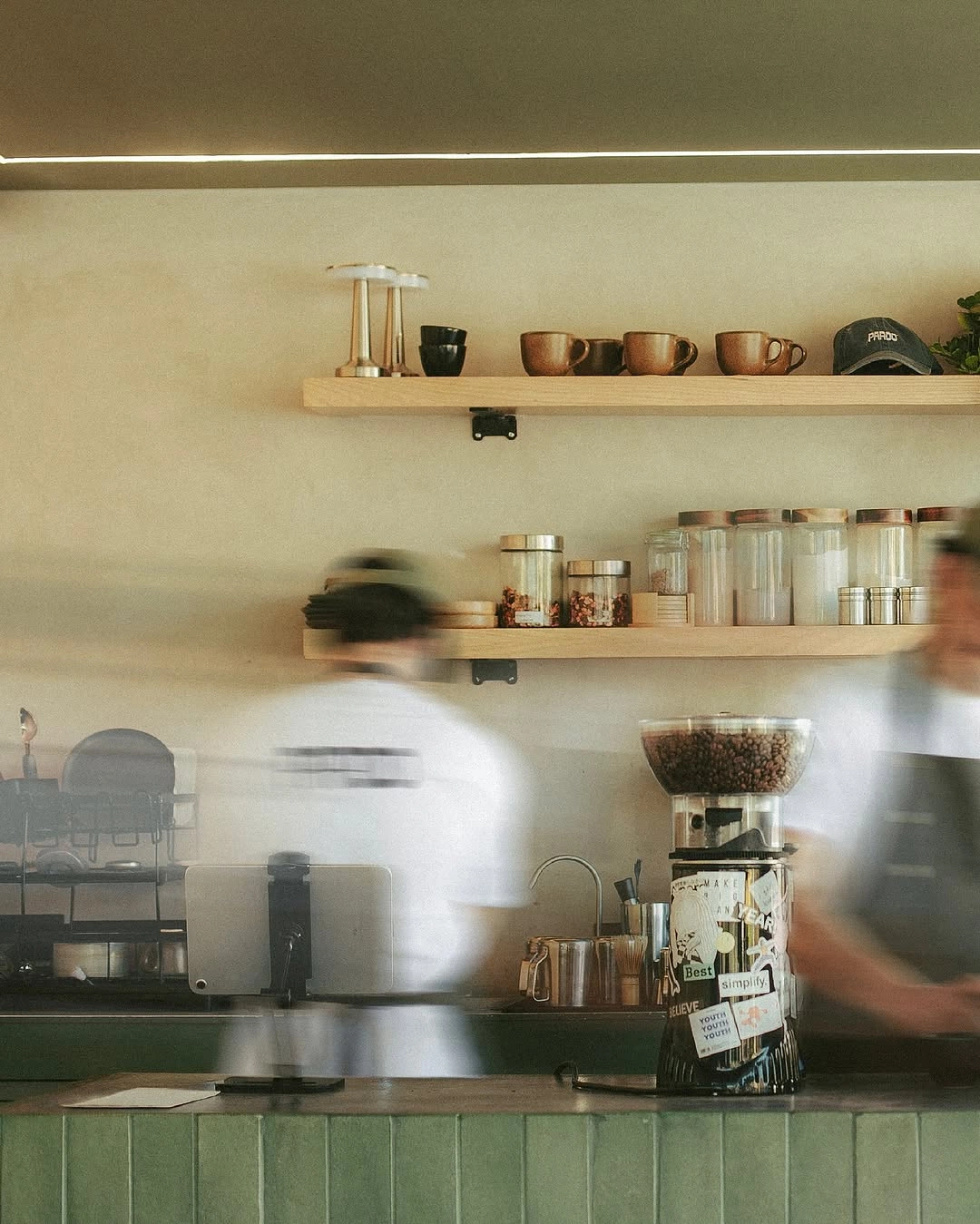
Amir eventually filmed a simple video beside the pastry counter, explaining one of the flavours he grew up with and why it appeared on the menu.
it worked as part of the story because the experience in the café backed it up.
the harder part is deciding what to make next without falling back into random posting.
guessing usually means filling the calendar first and trying to find the brand story afterwards. that is exactly where the content starts to lose its connection to the wider brand.
why customer loyalty starts after the first visit
the first visit is not the finish line.
it is where the relationship starts.
Harvard Business Review, Sep 1990: cutting customer losses by 5% raised profits by 25% to 85%.
customer loyalty can start with very ordinary things.
- recognise the people who return.
- keep the favourites they come back for steady.
- ask regular customers what they would tell a friend about the brand, then listen carefully to the words they use.
you might hear things like:
- "the staff always remember us."
- "i like that it feels familiar without feeling old-fashioned."
those answers tell you more about what customers are holding on to than "nice café".
Amir saw this when an old group of regulars returned after one of them saw his video and sent it to their group chat.
when they arrived, the staff recognised one of them. their usual drink was still on the menu. the story they had seen online made sense inside the room.
that is the job.
a launch can give people a reason to try you.
a brand story gives the experience meaning.
consistency gives customers a reason to trust it again.
over time, that is how a brand earns customer loyalty.